What this is
This isn't a lecture or a course. It's a book club for peer discussions with behaviour analyst colleagues. We read the same book in our own time, then meet to talk about what stood out to us, what we're still reflecting on, and how what we're learning shows up in our work and our own lives.
The book
Our first book is A Liberated Mind: How to Pivot Toward What Matters by Dr. Steven C. Hayes, the originator of Acceptance and Commitment Therapy (ACT) and Relational Frame Theory (RFT).
It's a "must read" for really anyone, but especially for behaviour analysts practising ACT, or curious about using ACT in their own lives. The book comes in three parts. Part 1 draws us in through Steve's own compelling story, and how ACT was "born" out of him questioning the very therapy (CBT) that was supposed to help his panic disorder. Part 2 walks through each of the 6 pivots along your ACT journey in developing psychological flexibility skills. Part 3 is about using your ACT toolkit to live a better life across a range of application contexts.
That three-part structure is exactly why we've set up our discussions in a similar way, one part per call.
Grab a copy however suits you: print, ebook, audiobook, or a library loan. You're responsible for getting the book from a legal source, whether you buy or borrow. Want a preview? Dr. Hayes shares tools and videos at stevenchayes.com/tools.
Hayes, S. C. (2019). A liberated mind: How to pivot toward what matters. Avery.
Your dates
Thursdays at 7:00pm ET, on the same Google Meet link every time.
Kick-Off Call · Aug 13, 7:00-7:45pm ET
Optional, no reading needed. We meet, say hello, and settle in.
Discussion 1 · Sept 3, 7:00-8:30pm ET
Part 1 (Intro-Ch 8)
Discussion 2 · Oct 1, 7:00-8:30pm ET
Part 2 (Ch 9-14)
Discussion 3 · Oct 29, 7:00-8:30pm ET
Part 3 (Ch 15-end) plus wrap-up
What to expect on a call
Each call follows the same simple rhythm, so you can settle into the present moment instead of wondering what's next: a quick hello and one-line check-in, a reflection to open us up, a couple of discussion questions, and a closing round on one thing we're each taking with us.
Now and then we'll try a short, optional two-minute noticing exercise from the book. And because A Liberated Mind touches on things like anxiety, avoidance, and self-criticism, one ground rule holds throughout: this is professional development, not therapy. Share at the depth you choose. No one is ever required to disclose anything personal.
Behind on the reading? Come anyway.
Life happens and reading falls behind. That's not a reason to skip a call, it's a reason to come. No reading police here. Audiobooks count. Skimming counts. Three pages in counts. The discussion is built to work from your own experience as much as the text, so you'll have something worth saying no matter where you are in the book.
Who this is a good fit for
This is for you if:
It's probably not the right fit if:
What you get
Once you're in, everything you need arrives by email:
EP members also get a private discussion channel where the conversation keeps going between calls. Not a member yet? You can join the book club either way, and doors to the wider community are opening soon.
A note on CPD (for CPBAO Registrants)
Reading time may count toward CPD Section B (Self-Directed Learning) and discussion time toward Section A (Professional Interactions). You're responsible for documenting your own CPD activities and determining what applies under CPBAO guidelines. Book clubs are not eligible for CEU certificates at this time.
About your host
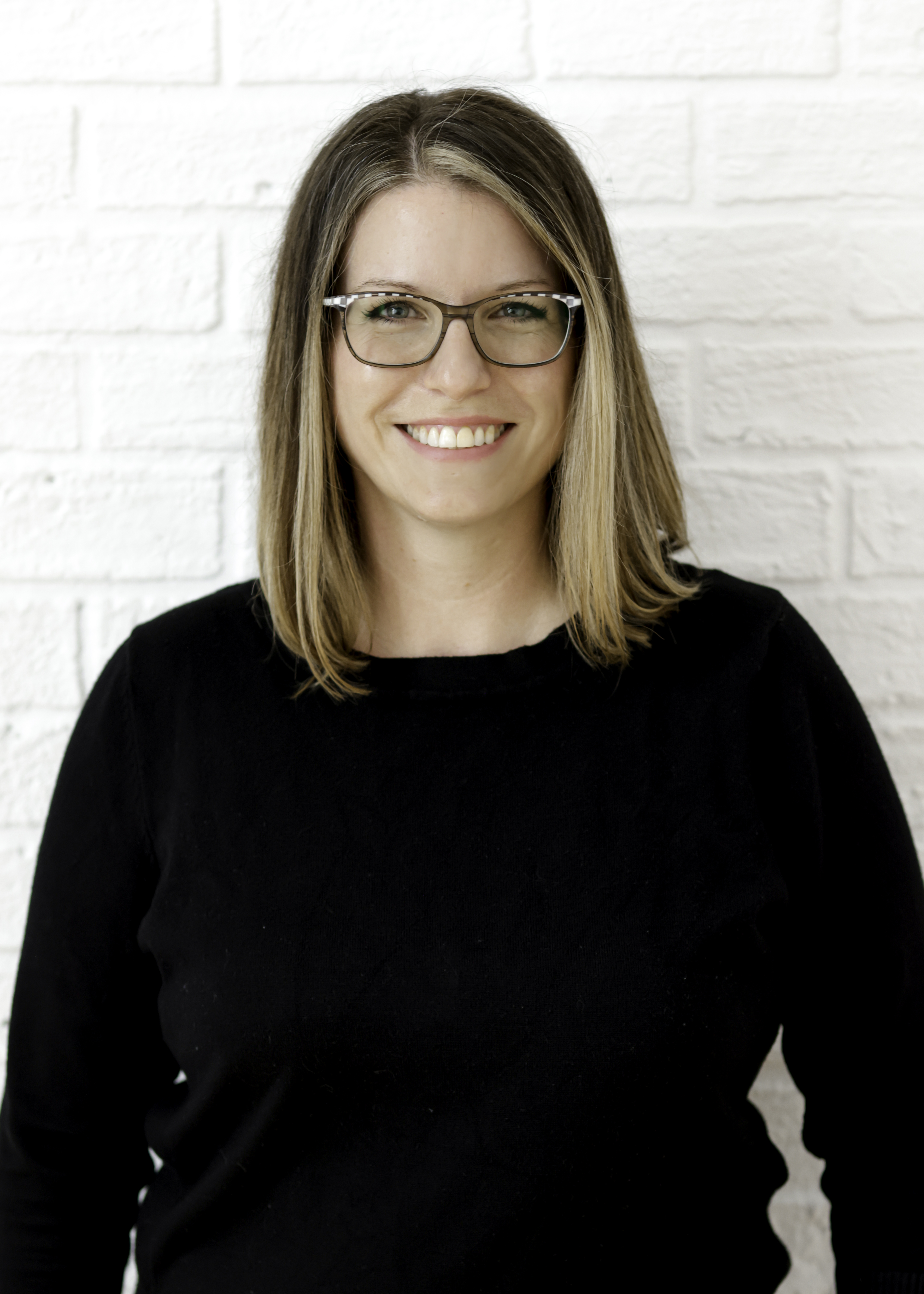
Melissa Legree
RBA(Ont.), BCBA
I'm Melissa Legree, RBA(Ont.), BCBA, founder of Ethically Possible. Across my 22+ years in the field of behaviour analysis, I’ve come to deeply appreciate the opportunities I’ve been afforded to learn and apply the science of behaviour alongside my clients, their caregivers, staff, supervisors, mentors, researchers, allied health professionals, professors and students. There has been a great deal of change in our field since 2004 when I started but what has never changed is the absolute necessity to never stop learning, contributing, critiquing, and reflecting. As my career has evolved and my passion for expanding my professional impact grew, I shifted my focus from direct clinical client work to creating learning experiences and opportunities for current and future behaviour analysts on the path to doing even better than those before them.
As I continue expanding my skills with ACT, I am forever grateful for my time at the end of May 2026 learning about Process-Based ACT from Dr. Hayes himself in Regina, Saskatchewan, Canada. I wasn’t able to read ‘A Liberated Mind’ before the training and reading it now, I wish I did! But here we are, and there has never been a better time to read this useful book that is so hard to put down once you get in the pages. A quick word on how I will run this book club. My job as host is to ask good questions, not to hand out answers (especially since I’m learning ACT too). I'll usually go first, including the parts of the reading I wrestled with, because by modelling my own honest reflections I’m setting the stage where everyone else can be honest too. This is a peer conversation of sharing and listening. Nobody's the expert, nobody's being graded, and nobody knows-it-all.Ready to join?
It's free, it's four Thursday evenings, and you can treat the Kick-Off as a no-pressure look before you commit. Add your details and we'll take it from there by email.
Join the book club →Questions? Email [email protected]

This page is an advertisement for Ethically Possible, a peer-driven professional development community operated by Melissa Legree, M.ADS, RBA(Ont.), BCBA.
Not therapy or regulatory advice. This book club is professional development, not therapy, supervision, or a substitute for advice from the CPBAO, BACB, or any other regulatory body.
No endorsement. Ethically Possible is not affiliated with or endorsed by the College of Psychologists and Behaviour Analysts of Ontario (CPBAO). The CPBAO does not endorse specific PD providers, and members are responsible for determining which activities qualify and documenting their own CPD hours.
This book club is not endorsed by or associated with Dr. Steven C. Hayes or his companies and affiliates.
[Disclaimer - Claude (AI) supported the structuring and drafting of this page. Writing and ideas remain mine.]
Ethically Possible | 2967 Dundas St. W #1671, Toronto, ON M6P 1Z2